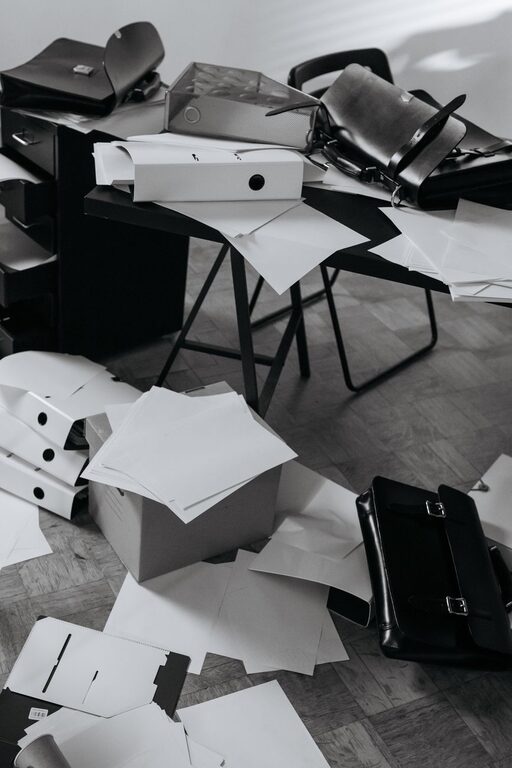
Paper clutter is a common challenge in many households. From bills and receipts to school papers and junk mail, paper can quickly pile up and create stress. Fortunately, there are straightforward ways to cut down on paper clutter and keep your home organized. This guide offers practical tips to help you manage paper efficiently and reduce the mess.
Why Reduce Paper Clutter?
Paper clutter can overwhelm your living space and make it harder to find important documents. Reducing paper clutter can help you:
– Create a cleaner, more peaceful environment
– Save time searching for documents
– Reduce stress caused by disorganization
– Protect important papers from being lost or damaged
Easy Steps to Manage Paper Clutter
1. Sort and Declutter Regularly
Start by setting aside time to go through accumulated papers. Sort them into categories such as:
– Important documents (e.g., tax forms, medical records)
– Bills and financial papers
– School or work-related papers
– Junk mail and advertisements
– Sentimental items (cards, letters)
Once sorted, discard any unnecessary or outdated papers. Recycling is a good option for most papers you no longer need.
2. Create a Filing System
Having a dedicated filing system makes it easier to store and find important documents. Options include:
– Physical filing system: Use labeled folders and a filing cabinet or portable file box.
– Accordion folders: Great for small spaces and quick sorting.
– Binders: Ideal for organizing receipts and manuals.
Organize folders by categories such as “Bills,” “Medical,” “Taxes,” and “School.” Keep the system simple, so it’s easy to maintain.
3. Go Digital When Possible
Digitizing documents can significantly reduce paper clutter. Consider:
– Scanning important papers and saving them on your computer or cloud storage.
– Using apps to scan receipts, business cards, and notes.
– Opting for electronic statements and bills from banks, utilities, and service providers.
Make sure to back up your digital files for added security.
4. Control Incoming Paper
Preventing clutter starts with limiting the paper that enters your home:
– Opt out of junk mail: Use services like the Direct Marketing Association’s opt-out service.
– Switch to paperless billing: Enroll in electronic statements whenever possible.
– Create a mail station: Designate a spot near your entryway for sorting mail immediately. Have bins or trays labeled “To Do,” “To File,” and “Recycle.”
5. Use a Command Center
A household command center helps keep schedules, reminders, and mail organized in one place. Include:
– A calendar for important dates
– A bulletin board or magnetic board for notes
– Filing slots for incoming and outgoing papers
This reduces scattered papers and helps family members stay informed.
6. Manage School Papers
Children often bring home a lot of paperwork. Try these ideas:
– Set up a bin or folder for daily school papers.
– Regularly review and sort to keep only necessary items.
– Take photos of artwork or projects to save space.
– Share digital copies with family members when possible.
7. Review and Maintain Weekly
Make a habit of reviewing your paper situation weekly. Spend 10-15 minutes to:
– Clear out junk mail and unnecessary papers.
– File items from your “To File” tray.
– Scan any new documents you want to keep digitally.
This consistent effort prevents buildup and keeps things under control.
Helpful Tools for Paper Organization
– Label maker: Helps keep files and bins clearly marked.
– Shredder: Safely dispose of sensitive papers.
– Storage boxes: For long-term storage of important documents.
– Scanner or scanning app: For digital copies.
– Mail organizer: To sort incoming mail quickly.
Tips for Staying Paper-Clutter Free
– Develop a daily or weekly paper processing routine.
– Be mindful about what you bring into your home.
– Encourage family members to follow the system.
– Avoid printing documents unless absolutely necessary.
– Regularly purge files that are no longer needed.
Conclusion
Reducing household paper clutter doesn’t have to be complicated. By sorting papers regularly, creating a manageable filing system, going digital, and controlling incoming paper, you can keep your home organized and clutter-free. With a little time and routine maintenance, you’ll enjoy a tidier space and less stress.
Try incorporating these simple strategies today and notice the difference a paper-free environment can make!