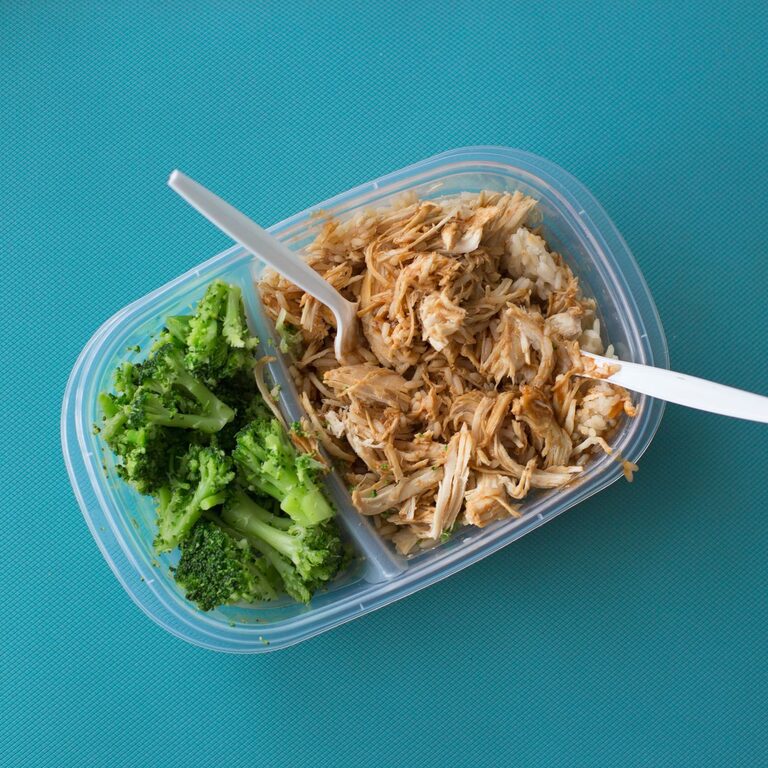
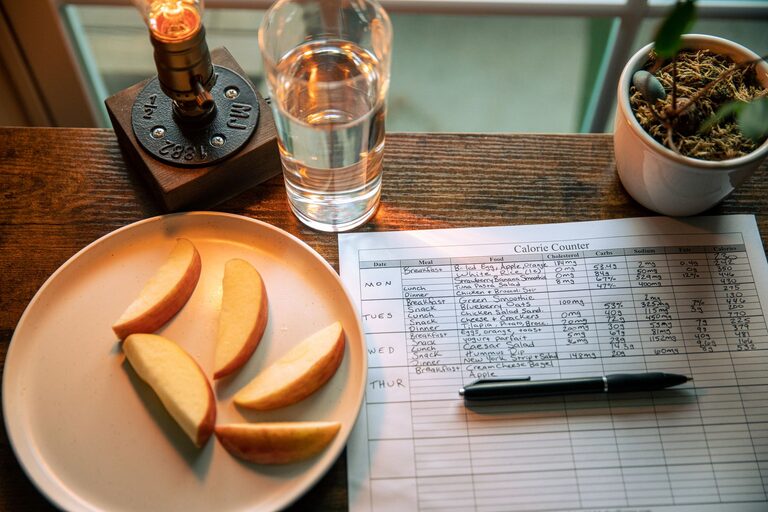
Planning balanced meals can seem like a daunting task, especially when life feels busy and unpredictable. However, with a few straightforward strategies, you can create meals that are nutritious, satisfying, and simple to prepare—without the stress. This guide will help you develop an easy, flexible approach to meal planning that fits into your lifestyle, supports your health, and saves you time.
What Does “Balanced Meal” Mean?
Before diving into planning, it’s helpful to know what a balanced meal looks like. A balanced meal generally contains:
– Protein: Supports muscle repair and keeps you full (e.g., chicken, beans, tofu).
– Carbohydrates: Provides energy (e.g., whole grains, fruits, vegetables).
– Healthy Fats: Important for brain health and satiety (e.g., avocados, nuts, olive oil).
– Fiber: Aids digestion and keeps you feeling full (found in fruits, vegetables, whole grains).
– Vitamins and Minerals: Essential for overall health, mainly from vegetables and fruits.
The goal is to combine these elements in portions that satisfy your hunger and fit your nutritional needs.
Step 1: Start with a Simple Plan
You don’t need to plan every meal down to the last ingredient. Instead, start by deciding:
– Which meals you want to focus on (breakfast, lunch, dinner).
– How many days you want to plan for at a time (3 days, a week, etc.).
– Your preferred cooking time and complexity.
Tip: Begin with planning dinners since they often require more preparation, and keep breakfasts and lunches flexible.
Step 2: Build Your Meal Framework
Creating a framework can make meal planning easier and more predictable:
Example Framework for Dinner
– Protein: Choose 1-2 options like chicken, fish, beans, or tofu.
– Vegetables: Include at least 2 different vegetables (fresh or frozen).
– Carbohydrates: Pick whole grains or starchy vegetables.
– Fats: Add a healthy fat as dressing, cooking oil, or garnish.
You can mix and match these categories throughout the week.
Step 3: Stock Your Pantry and Fridge Wisely
Having staple ingredients on hand reduces last-minute stress. Keep essentials like:
– Canned beans and tomatoes
– Whole grains (rice, quinoa, oats)
– Frozen vegetables and fruits
– Healthy oils and spices
– Fresh produce that stores well (carrots, apples, onions)
Regularly check your inventory before shopping to avoid overbuying.
Step 4: Use Meal Prep and Batch Cooking
Preparing ingredients or full meals ahead of time can save time during busy days. Consider:
– Cooking a batch of grains to use for several meals.
– Chopping vegetables and storing them in airtight containers.
– Making sauces or dressings in advance.
– Freezing portions of meals for quick reheating.
Meal prep doesn’t have to be extensive—small steps make a big difference.
Step 5: Keep It Flexible and Enjoy Variety
A stress-free plan allows for changes based on what you have or feel like eating. To keep meals interesting:
– Rotate different proteins and vegetables weekly.
– Experiment with herbs and spices for new flavors.
– Try simple recipes that can be customized with available ingredients.
Remember, perfection is not the goal—balance and enjoyment are.
Step 6: Use Tools to Simplify Planning
Several tools can make planning easier:
– Meal planning apps: Many apps offer templates, grocery lists, and recipe ideas.
– Printable planners: Use a weekly meal planner to visualize your meals.
– Recipe collections: Save favorite recipes organized by ingredients or type.
Find what works best for you and fit it into your routine.
Quick Tips for Stress-Free Balanced Meals
– Plan meals around what’s in season and on sale.
– Include a new recipe only once per week to avoid overwhelm.
– Focus on whole foods and limit processed ingredients.
– Involve family or friends in meal planning and cooking.
– Don’t hesitate to use convenient options like pre-washed salad greens or rotisserie chicken when needed.
Sample Balanced Meal Ideas
– Grilled salmon, quinoa, steamed broccoli, and a drizzle of olive oil.
– Chickpea curry with brown rice and a side of sautéed spinach.
– Stir-fried tofu with mixed vegetables over whole grain noodles.
– Chicken and vegetable soup with whole grain bread.
Final Thoughts
Planning balanced meals doesn’t have to be complicated or stressful. By starting simple, preparing ahead, and keeping room for flexibility, you can nourish yourself and your loved ones with minimal fuss. Remember, good nutrition is about consistency and balance over time—not about perfection every day.
Take small steps, stay organized, and enjoy the process of creating meals that support your well-being. Happy eating!