
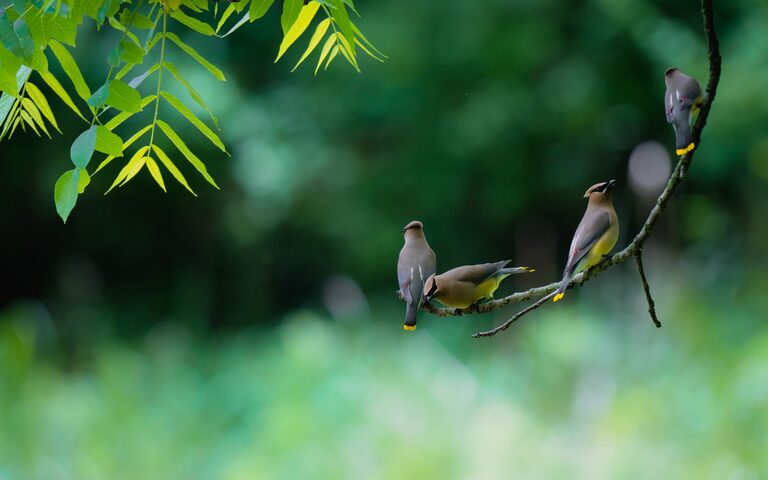
Birdwatching is a relaxing and rewarding hobby that anyone can enjoy, right from their own backyard. Whether you live in a city, suburb, or rural area, your outdoor space can become a haven for birds. This guide offers beginner tips to help you start backyard birdwatching, attract a variety of birds, and identify your feathered visitors.
Why Backyard Birdwatching?
Birdwatching in your backyard is a great way to connect with nature without traveling far. It provides calming moments and opportunities to learn about local wildlife. Plus, it’s a fun activity for all ages that encourages patience, observation, and curiosity.
Getting Started with Backyard Birdwatching
1. Create a Bird-Friendly Environment
Birds are drawn to yards that offer food, water, shelter, and nesting sites. Here’s how to provide each:
– Food: Use bird feeders stocked with seeds, suet, or nectar depending on the bird species you want to attract. Black oil sunflower seeds are popular because many birds enjoy them.
– Water: A birdbath or shallow dish with fresh water is essential. Place it where birds can easily access it but feel safe from predators.
– Shelter: Shrubs, trees, and tall grasses provide hiding places and protection from weather.
– Nesting Sites: Consider installing birdhouses suitable for local species or let natural cavities in trees serve as nesting spots.
2. Choose the Right Feeders
Different birds prefer different types of feeders:
– Tube feeders: Great for small songbirds like finches and chickadees.
– Platform feeders: Open trays attract a variety of birds, including doves and cardinals.
– Suet feeders: These attract woodpeckers, nuthatches, and other insect-eaters.
– Hummingbird feeders: Filled with sugar water, they attract hummingbirds in warmer months.
3. Learn Basic Bird Identification
Start by familiarizing yourself with the common birds in your region. Use these tools:
– Bird guidebooks: Printed or digital guides with pictures and descriptions.
– Bird identification apps: Many apps help you identify birds by appearance, song, or location.
– Online birding communities: Websites and forums where birdwatchers share sightings and advice.
4. Observe Quietly and Patiently
Birds are easily scared by loud noises or sudden movements. Find a comfortable spot with a good view of your feeders or trees, and remain still. Early morning or late afternoon are usually the best times for bird activity.
5. Keep a Birdwatching Journal
Record the birds you see each day. Note the species, behavior, time, and weather conditions. This can help you track patterns, learn more, and stay engaged.
6. Use Binoculars and a Field Guide
A good pair of binoculars brings distant birds into clear view, allowing you to see details like color patterns and beak shape. Pair this with a field guide to confirm species.
Additional Tips to Enhance Your Experience
Plant Native Trees and Flowers
Native plants provide natural food such as berries, seeds, and attract insects that birds eat. They also offer shelter and nesting materials.
Avoid Pesticides and Herbicides
Chemicals can harm birds directly or reduce the insects and plants they depend on.
Keep Feeders Clean
Regularly clean feeders and birdbaths to prevent disease spread. Use a mild bleach solution and rinse thoroughly.
Adjust Feeders Seasonally
Some birds migrate or change diet based on the season. Adjust your offerings year-round to meet their needs.
Respect Wildlife and the Environment
Always observe birds responsibly. Avoid disturbing nests and young birds, and never attempt to handle wild birds unless trained.
Common Backyard Birds to Look For
Here are some common backyard birds you might encounter, depending on your region:
– Northern Cardinal
– American Robin
– Blue Jay
– House Finch
– Mourning Dove
– Chickadee
– Downy Woodpecker
– Goldfinch
– Hummingbird (various species)
Conclusion
Backyard birdwatching is a wonderful way to enjoy nature, learn about wildlife, and bring a little more beauty and life to your outdoor space. With a few simple steps—such as setting up feeders, planting native vegetation, and learning to identify birds—you’ll soon find yourself spotting and appreciating a fascinating variety of feathered friends. Happy birdwatching!